
By E. Etta
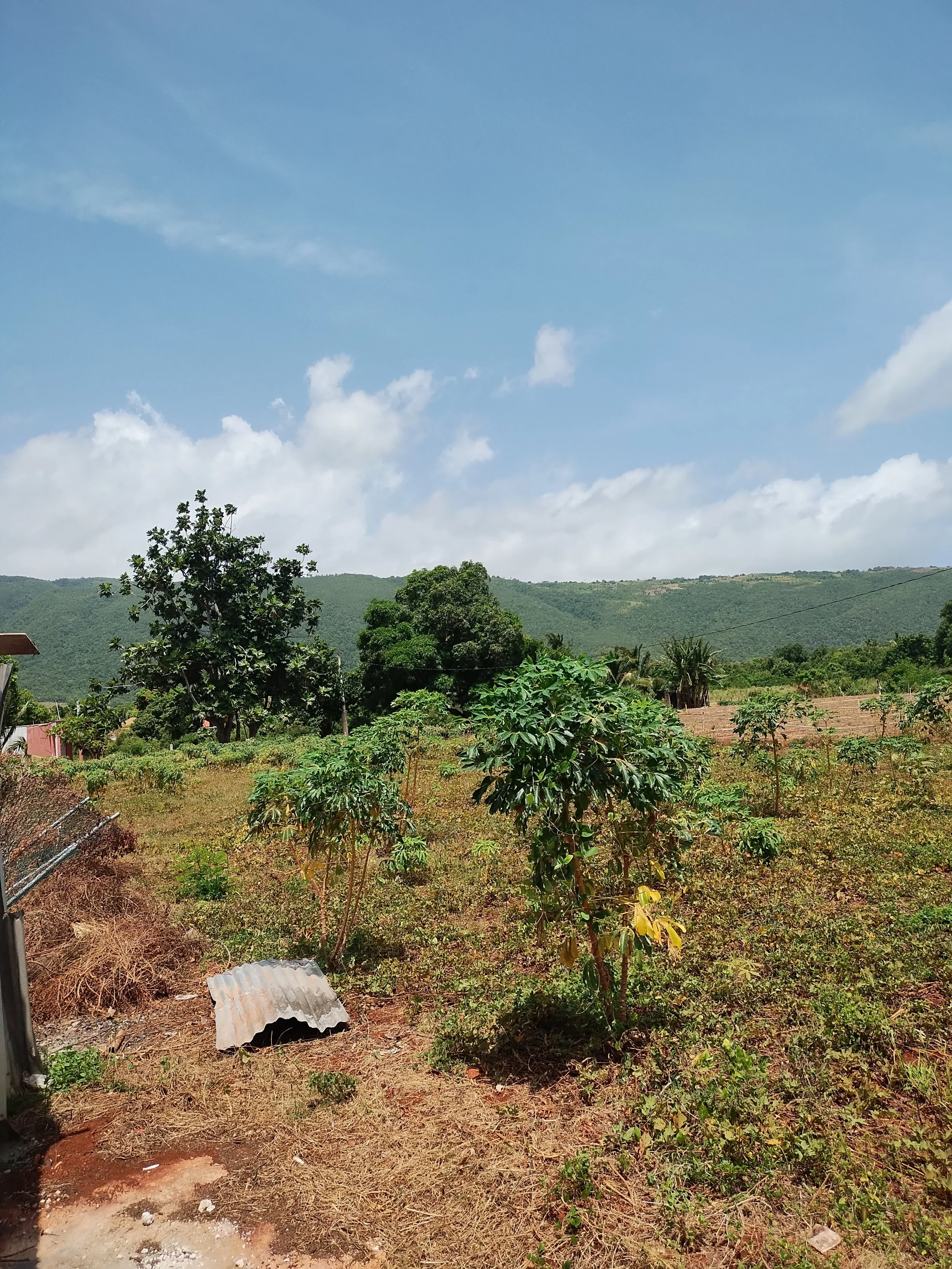
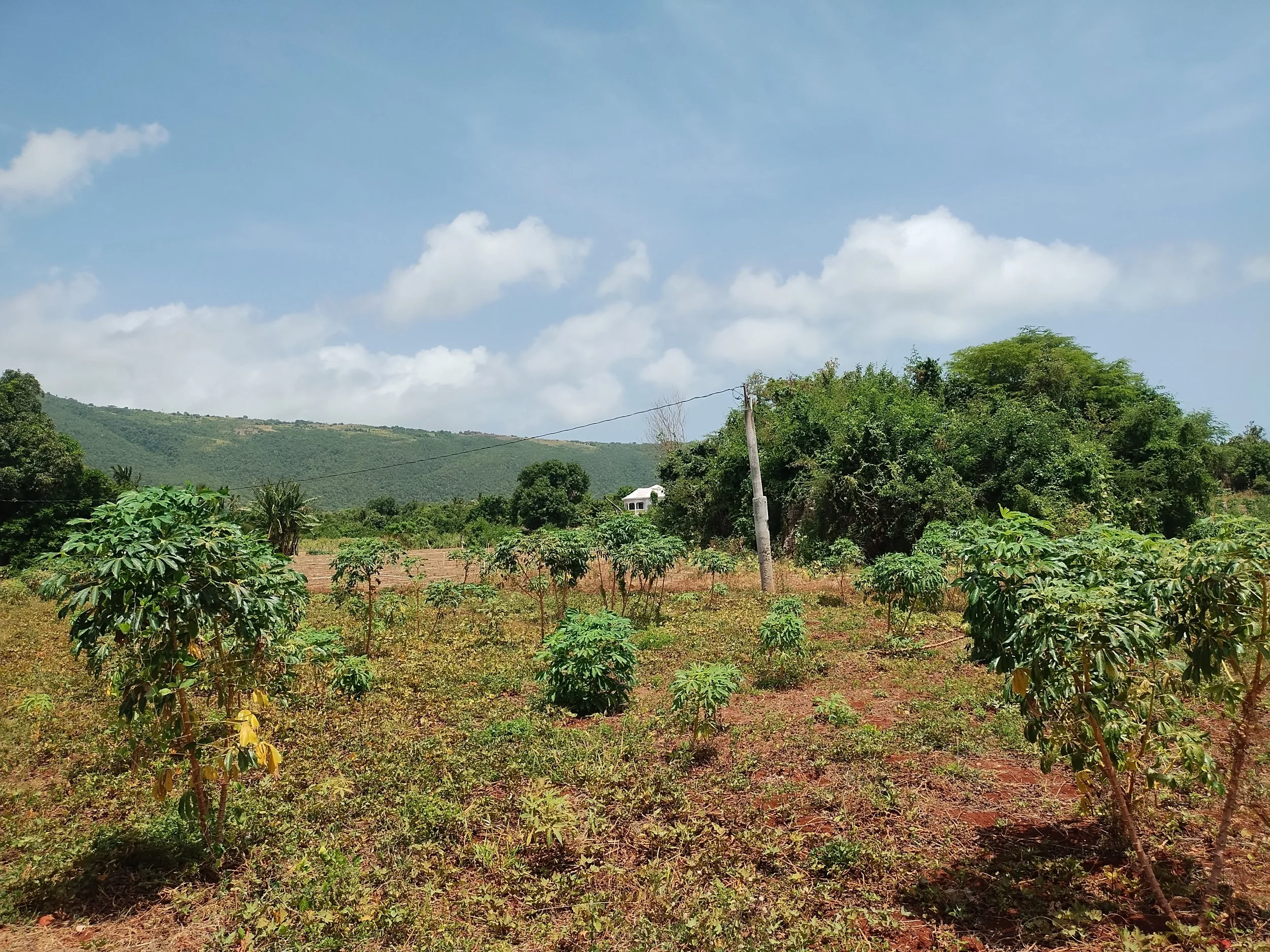
I recently went on a research trip to Jamaica to study some of the agricultural practices in Jamaica, specifically in Saint Elizabeth Parish, which is considered the breadbasket of Jamaica.
St. Elizabeth is Jamaica’s third-largest parish and is an essential part of the nation’s food system, being able to add hundreds of thousands of tonnes of domestic food crops to the national domestic output. Production in St. Elizabeth has fallen due to it being hit hard by Hurricane Beryl in 2024 and Melissa in 2025, a Category 5 hurricane, with homes, farms, and livelihoods destroyed, as well as global warming conditions. Black River, the capital of St. Elizabeth parish, is still feeling its effects.
The main reason I went to South St. Elizabeth is that it is fairly arid compared to other agricultural areas in Jamaica, and I had heard about some agricultural practices, especially for irrigation, that could work in other parts of the world, particularly Africa, where global warming in farming has hit African farmers harder than other parts of the world because of its geographic location.
While I was here, I could see why it is called “the Bread Basket”. There seemed to be small farms everywhere. Right outside the gates of the guest house where I stayed, there was a mixed-use farm with goats and sheep, some coconut trees, and rows of spring onions. They were watered in the traditional way.
Even at some eating places, there were farms right next to the businesses that had a mix of fruit trees and vegetables, and on some of these small farm holdings was what I came to see: guinea grass composting between the beds of produce being grown. And most houses had some fruit trees and other vegetables growing in the yards, be it mango, soursop, pomegranate, lemon, and others. All this provided an insight into how one can feed people with small efforts.
What agricultural products are grown commercially in St. Elizabeth, Jamaica
Commercial products grown in St. Elizabeth parish include bananas, coconuts, and breadfruit, grown for export as well as local consumption.
Solutions
The Jamaican government is increasing its investment in farm roads across Jamaica to improve access to farms and boost agricultural production.
The government of Jamaica launched the Essex Valley Agro‑Processing Facility and Administrative Building. The structure aims to revitalise rural livelihoods, modernise agricultural production, and strengthen food security in St. Elizabeth.
Resources
Agriculture Industry in Jamaica: 2026 Trends & Insights
Jamaica Country Commercial Guide
More than half of Jamaicans facing food insecurity, 28% going hungry