
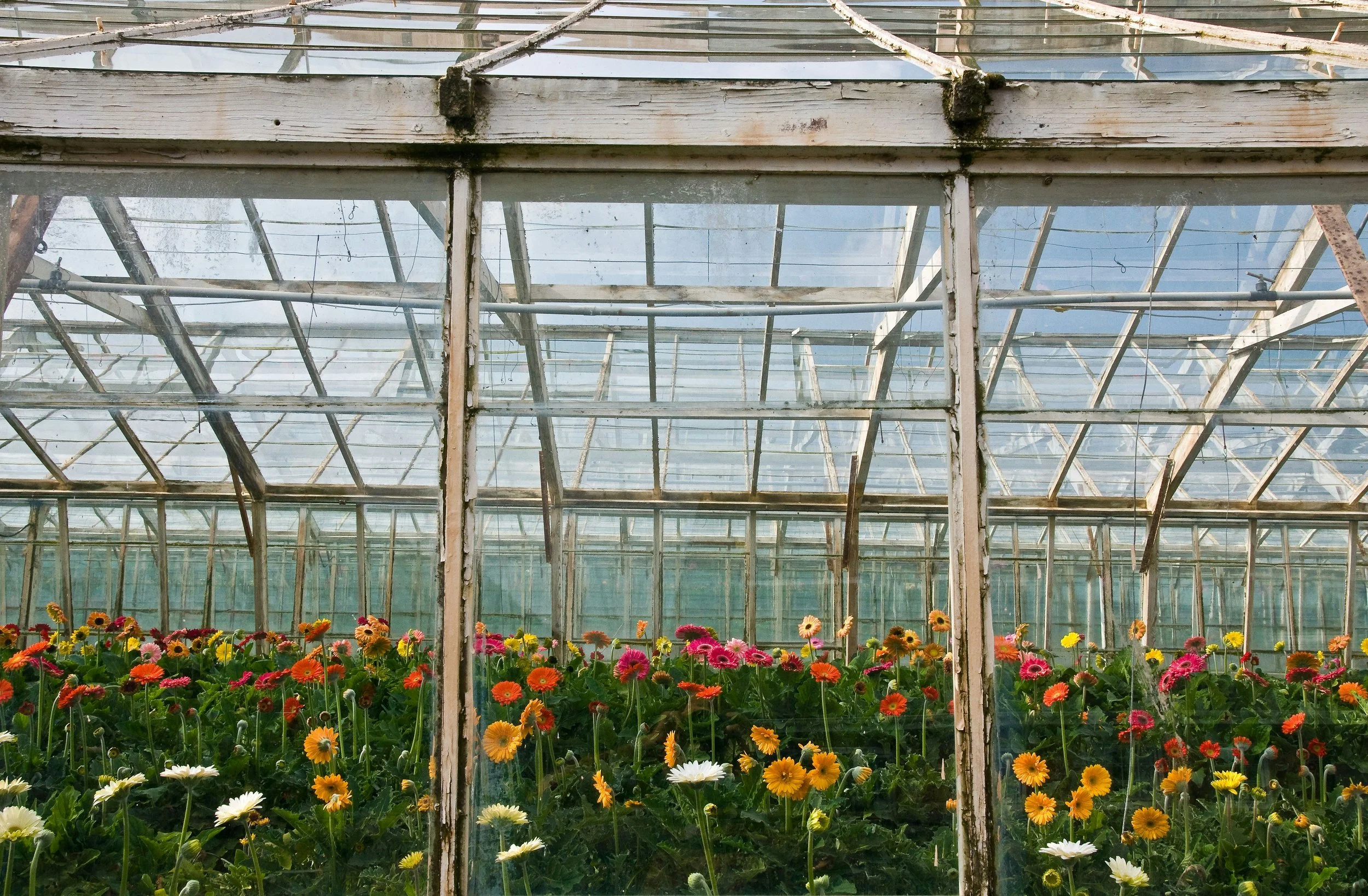
Flower Growing Industry in Africa - Part 2
By E. Etta
Challenges in the Industry
Climate Change - Climate change is having a serious effect on the flower-growing industry, especially in Africa, where the changes in climate are more obvious.
Economic Disruption - African countries lose 2%-5% of their GDP annually due to climate-related disasters and must spend heavily on adaptation.
Health Hazards - Climate change increases the incidence of communicable and non-communicable diseases, including heat-related illnesses and mental health disorders.
Displacement and Conflict - Climate-related disasters force millions from their homes, increasing internal and cross-border migration, which can fuel conflicts over dwindling resources. For instance, the current conflict going on in the Middle East will affect the industry and exports from Africa.
Biodiversity loss - Ecosystems, including forests and coastal areas, are under severe stress, threatening wildlife populations.
Pest and Disease Management - The industry is dealing with pests such as the false codling moth (FCM), and fungal diseases like powdery mildew and botrytis or gray mold, which are major threats to flower farms. Biological solutions like baculovirus products and bioinsecticides are being used to control the FCM pest. Innovative fungicides have been developed specifically for roses to combat fungal diseases.
Market Access - African countries have access to markets in Europe, particularly Holland and other parts of Europe. There is, though, increasing competition for these markets from Asian and Latin American producing countries. This means African countries are going to have to be more competitive and aggressive in holding on to the market access they currently have and even looking at ways to increase their share of the market.
Labor Issues - The flower industry in Africa, particularly in Kenya, has faced significant labor issues, including exploitation, poor working conditions, and low wages. Workers are often subjected to high work targets, long hours, and a lack of support, leading to exploitation and abuse. The industry's reliance on low-wage labor and lack of fair trade practices has resulted in a cycle of exploitation and poor working conditions. Environmental sustainability challenges. Labor conditions have improved significantly through certification programs like Fairtrade and the Rainforest Alliance. These initiatives address wages, working hours, safety equipment, and prohibit child labor and discrimination.
Best Practices For Success:
Invest in Technology - Drip irrigation and greenhouse cultivation
Focus on Quality - High-quality flowers enhance brand reputation, strengthen market access, and support eco-friendly consumer demand
Sustainable Practices - Eco-friendly farming methods that would include harvesting rainwater, using solar panels for power, and possibly growing some of the produce indoors to better control the growing environment.
Networking - Industry associations, trade shows, buyers
Video
In the next segment, we will talk about other uses for cut flowers
Resources
Among the Flowers, the Thorns Grow
Guide to the Flower Growing Industry in Africa
How Climate Change Impacts Water Scarcity In Africa
Kenyan Flower Growers Get New Solution for Disease Pressure
Kenyan Flower Industry Looks To Biological Solutions - Hortimedia
The 4,000 mile flower delivery
The Poisoned Bouquet: How European Giants Exploit African and Latin American Labor to